Developers
Successful developments require thoughtful transportation planning from concept through approval. Our engineers work with developers and project teams to evaluate transportation impacts, improve site circulation, and support efficient agency review processes through clear, actionable analysis and recommendations.
Junction Commons Mixed-Use Development
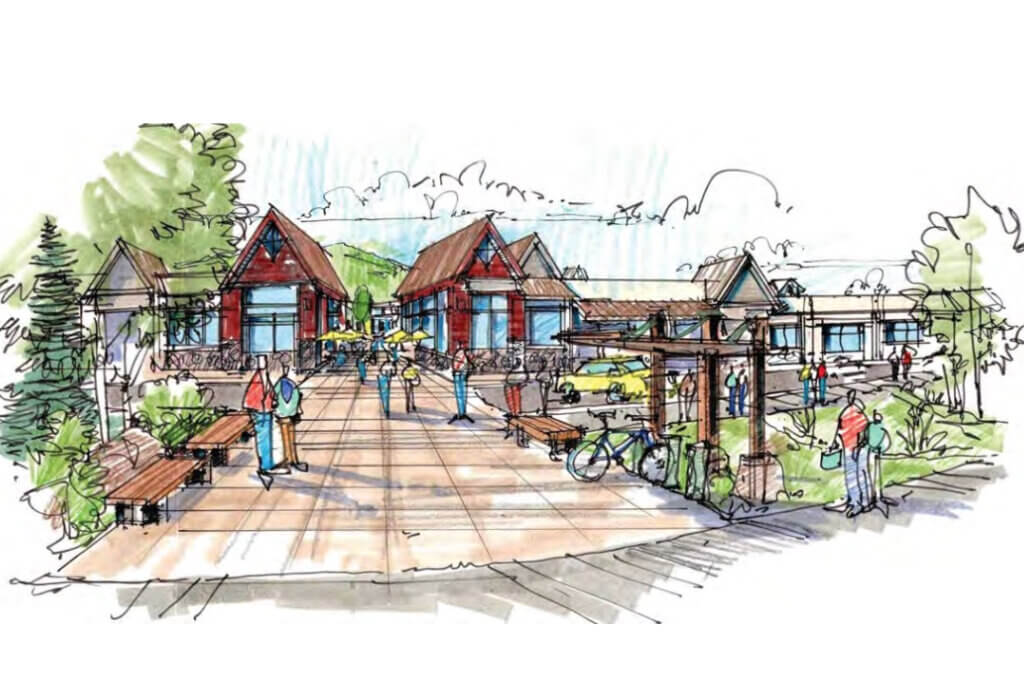
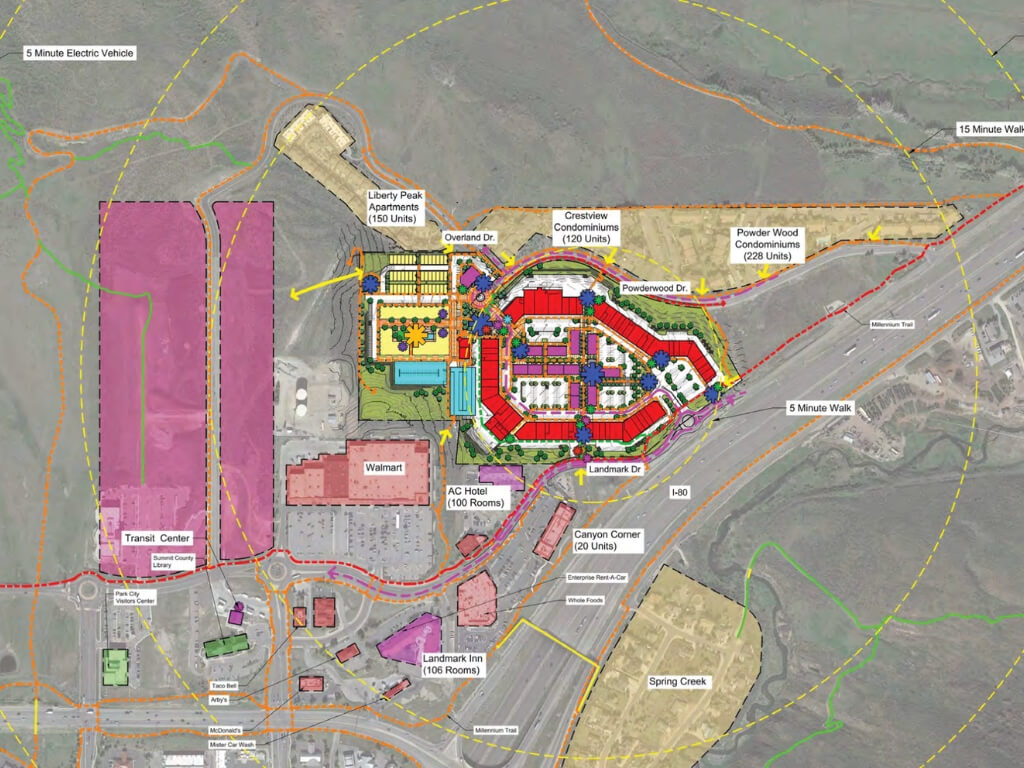
Hales led the traffic impact and parking studies for the redevelopment of the Tanger Outlets in Summit County into Junction Commons, a mixed-use destination incorporating residential, retail, and transit access. The study evaluated existing and future traffic operations, site access, internal circulation, and parking needs as the property transitions through multiple phases of development. A major focus of the project was creating a transportation network that works for more than vehicles. Hales evaluated potential transit integration, pedestrian connections to surrounding trails, and walkability between residential and retail areas while developing recommendations for safe and efficient traffic flow. Hales also coordinated with Summit County throughout the process to support agency review and ensure transportation recommendations aligned with broader planning efforts in the area. At a Glance: Traffic Impact Study · Parking Study · 3 Analysis Years · Multiphase Development · Transit & Pedestrian Connectivity · Summit County Coordination


Canyons Village Parking Structure
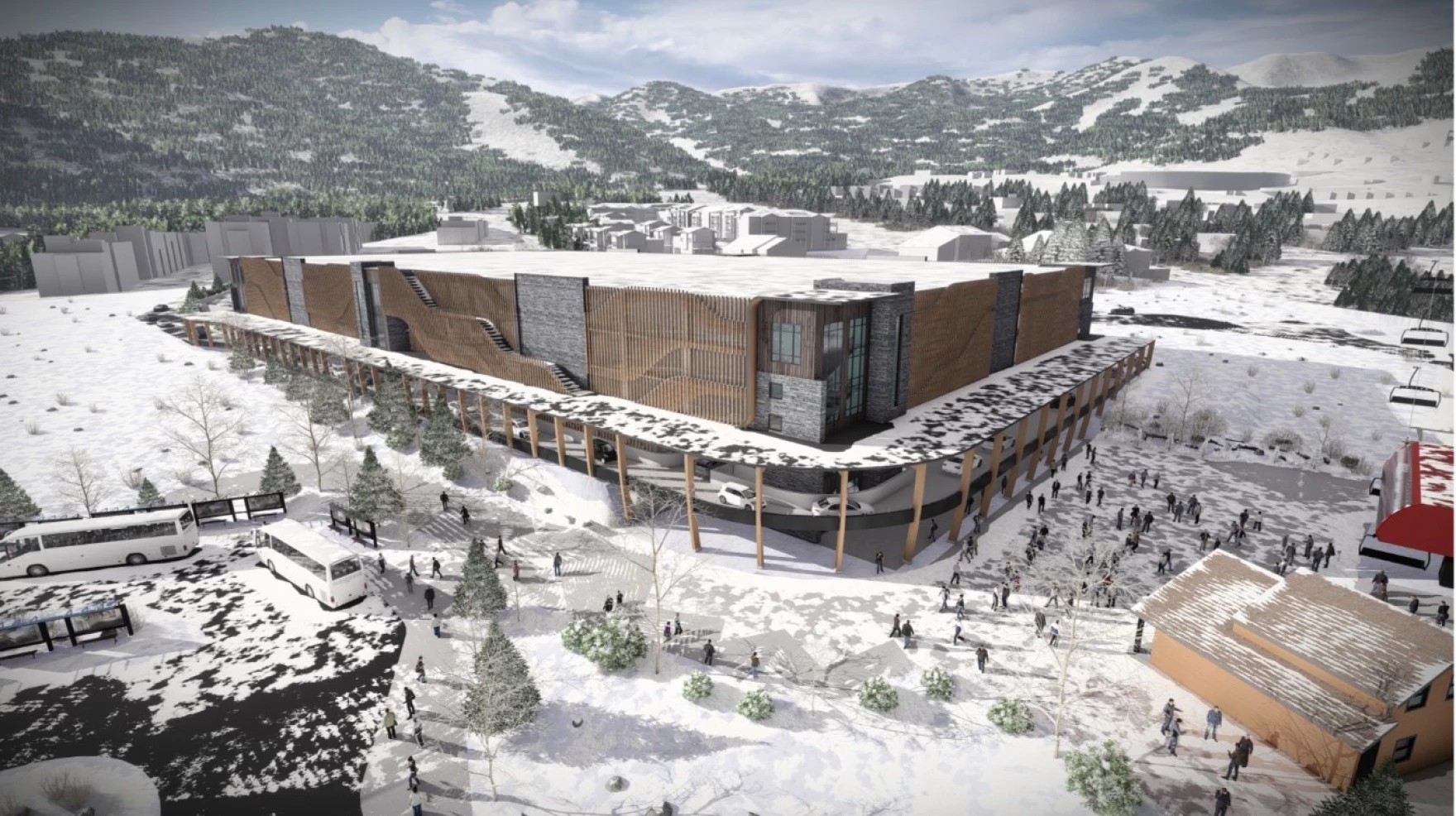
Hales led the traffic and transportation analysis for the Canyons Village Parking Structure in Summit County, evaluating how consolidating dispersed resort parking into a single facility would affect traffic operations, site access, and circulation during typical and peak ski days. The project required an integrated approach to vehicle, transit, bus, pedestrian, and bicycle movement in a high-demand resort environment. Hales evaluated fixed-route and microtransit operations, traffic and bus activity at the adjacent transit center, and transportation demand management strategies, including paid parking. The analysis also addressed pedestrian crossings, trail connections, bicycle circulation, and efficient ingress and egress. Together, these elements helped support the project's goal of creating seamless connections between parking, transit, and destinations throughout the resort. At a Glance: Traffic & Transportation Analysis · Peak Ski-Day Conditions · Parking & Site Access · Transit & Microtransit · Transportation Demand Management · Multimodal Circulation


Legacy Events Center
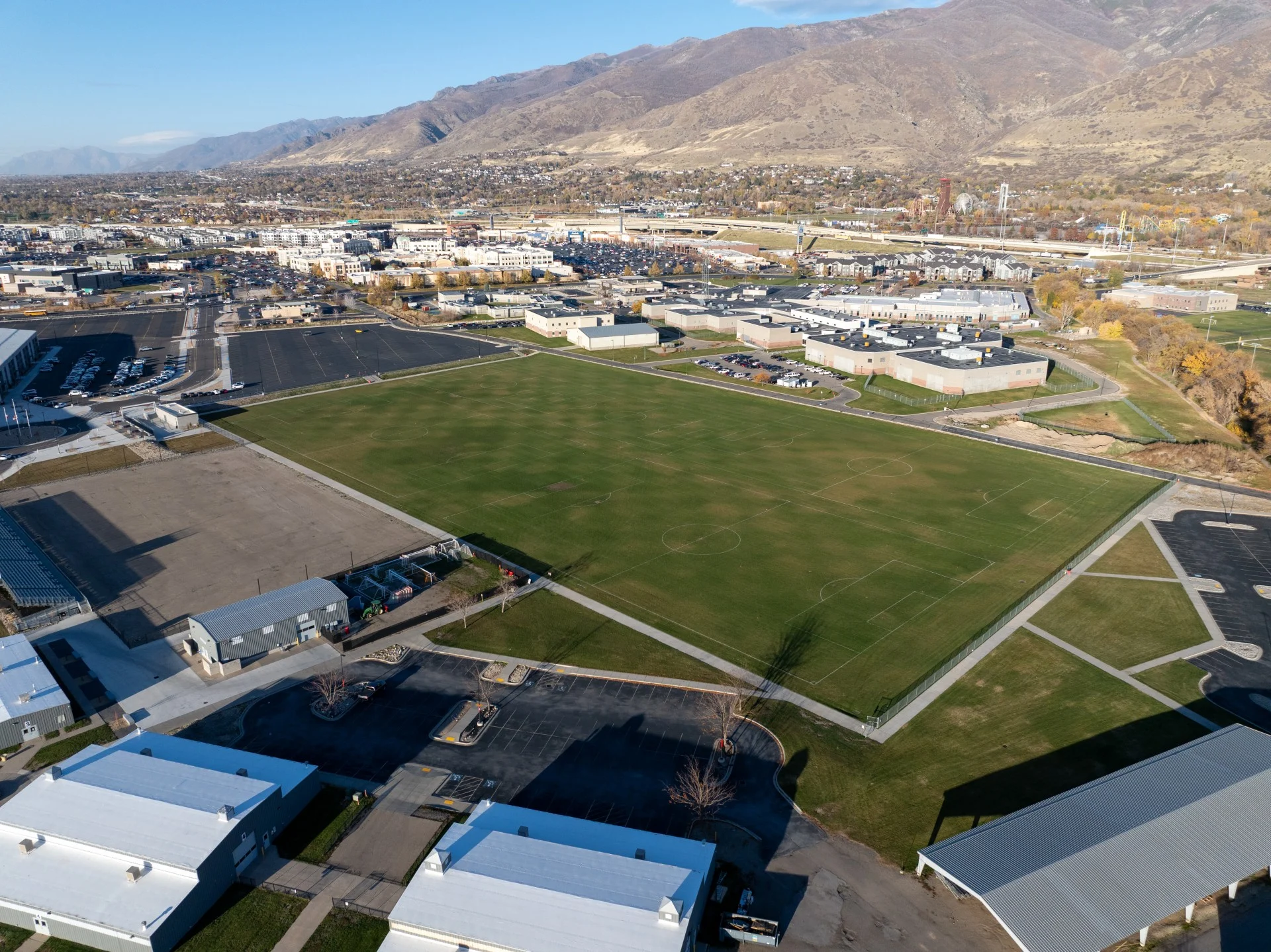
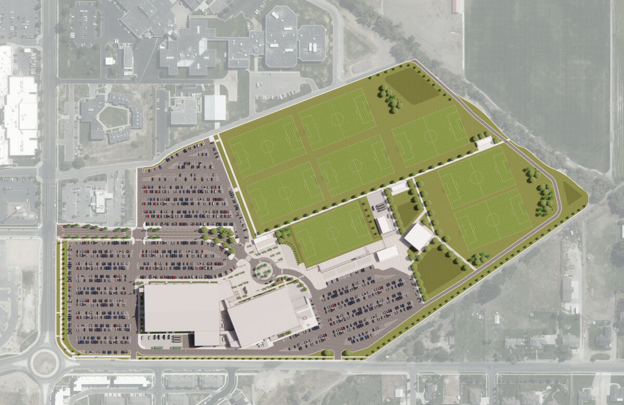
Hales completed a traffic impact study for the Legacy Events Center and surrounding development area in Farmington, Utah. The project required evaluating two distinctly different transportation conditions: typical daily activity and the significant traffic surges associated with large-scale events near Legacy Parkway and I-15. Hales analyzed traffic patterns, intersection operations, site access, and event ingress and egress, including how event traffic interacts with surrounding commercial development and major regional transportation corridors. The study incorporated traffic counts, trip generation and distribution, intersection level of service, and queue analysis to identify operational constraints. Hales developed recommendations for intersection operations, access management, and traffic control planning to support efficient everyday operations while accommodating the unique transportation demands created by major events. At a Glance: Traffic Impact Study · Event Traffic Analysis · Trip Generation & Distribution · Intersection Operations · Queue Analysis · Access Management


Layton Station
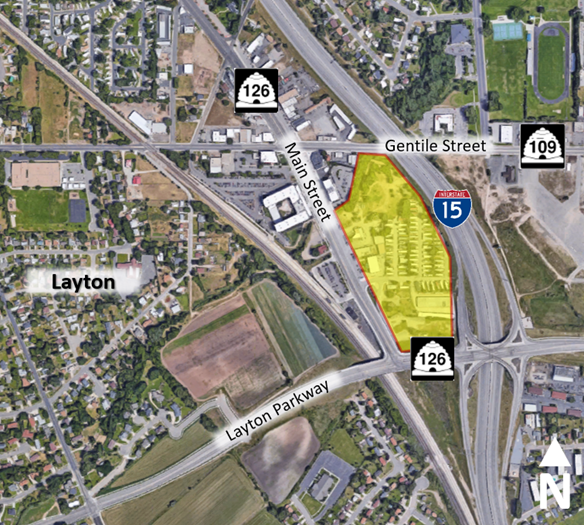
Hales prepared a traffic impact study for Layton Station, a mixed-use development along Main Street in Layton, Utah incorporating residential, retail, office, and hotel uses. Because of the site's proximity to I-15 and a single point urban interchange (SPUI), the project required detailed evaluation of site access, signal operations, regional traffic patterns, and future transportation needs. Hales evaluated traffic counts, trip generation and distribution, intersection operations, queueing, roadway capacity, and traffic signal warrant criteria. The study identified future operational needs and resulted in a phased improvement strategy that included signal timing modifications, turn lanes, roadway improvements, and access management. Hales coordinated with both Layton City and UDOT to help establish a transportation framework that could support the development while maintaining safe and efficient traffic flow as the surrounding area grows. At a Glance: 4,365 Projected Daily Trips · 3 Analysis Years · Traffic Impact Study · Synchro/SimTraffic Modeling · Signal & Queue Analysis · UDOT & Layton City Coordination


Maverik Gas Stations
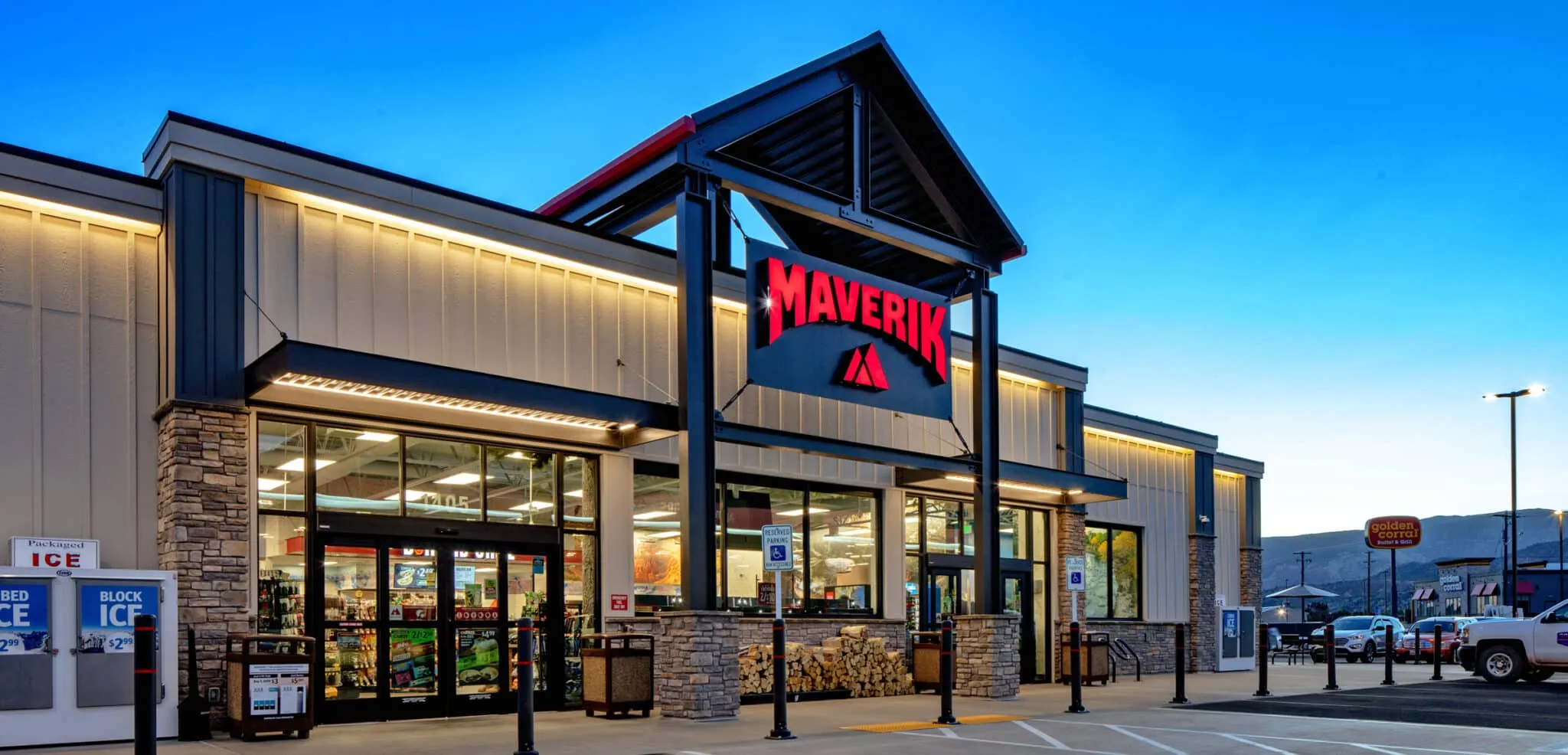
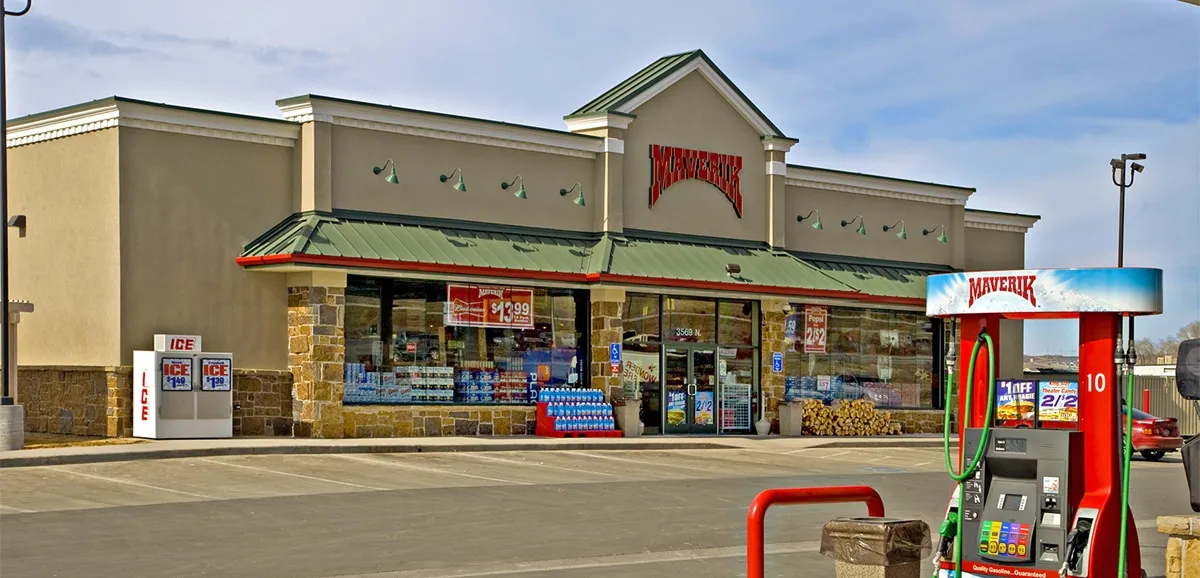
Hales has performed traffic impact studies for dozens of Maverik sites across the Mountain West, including in Utah, Idaho, Colorado, Nevada, and Wyoming. In performing these studies, Hales has analyzed on-site circulation, traffic flow at access points, and impact to nearby intersections to ensure that traffic flows smoothly. We frequently coordinate with DOTs and municipalities to make sure these studies meet the needs of the communities they serve. At a Glance: Dozens of Locations · 5 States · Traffic Impact Studies · Site Access & Circulation · DOT & Municipal Coordination
.jpg)