Institutions
Schools, campuses, religious institutions, and other community-serving organizations face unique transportation and circulation challenges. Hales helps institutions improve safety, access, and mobility through transportation planning and analysis tailored to their operational needs and long-term goals.



Ephraim Temple
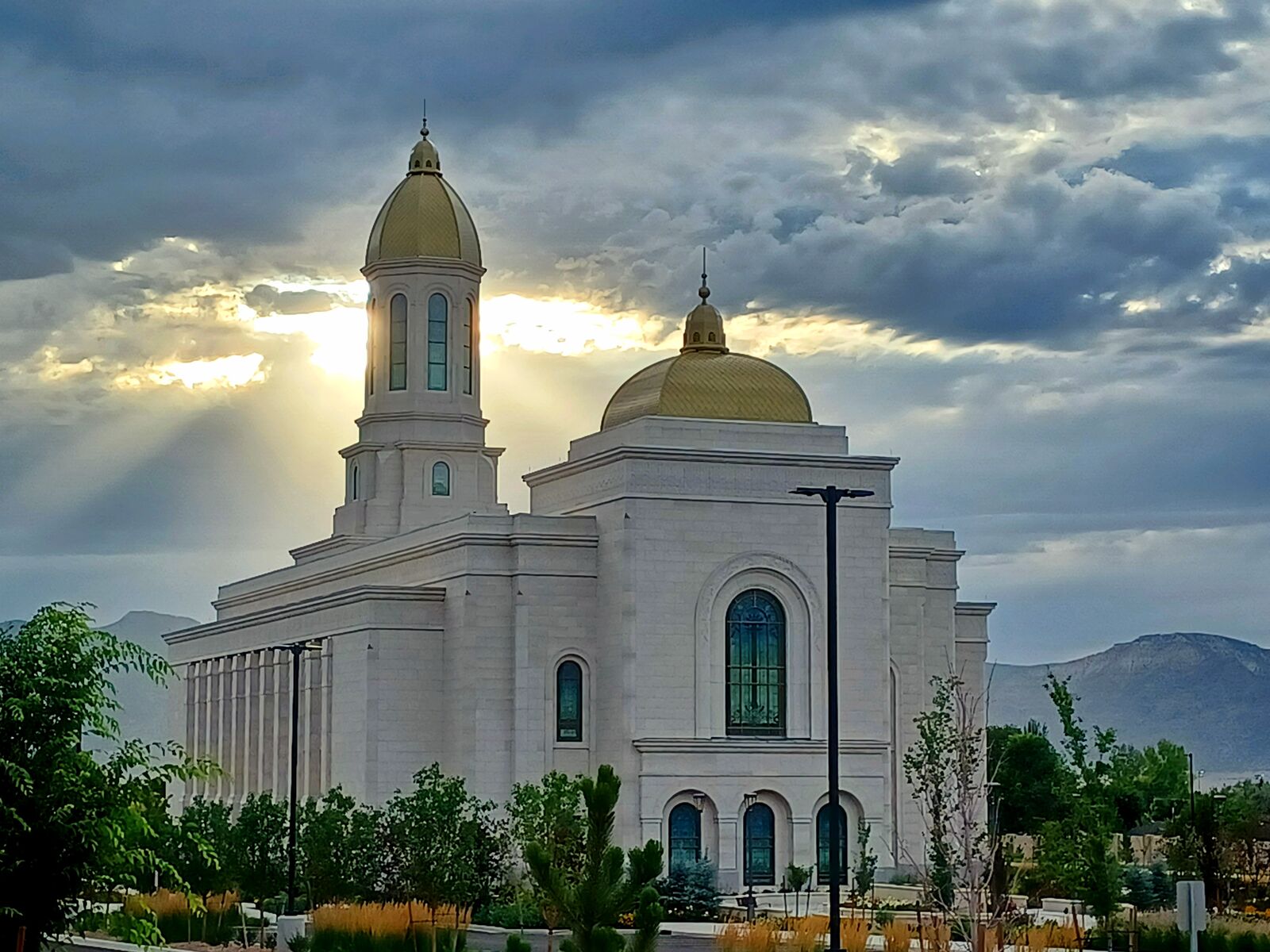
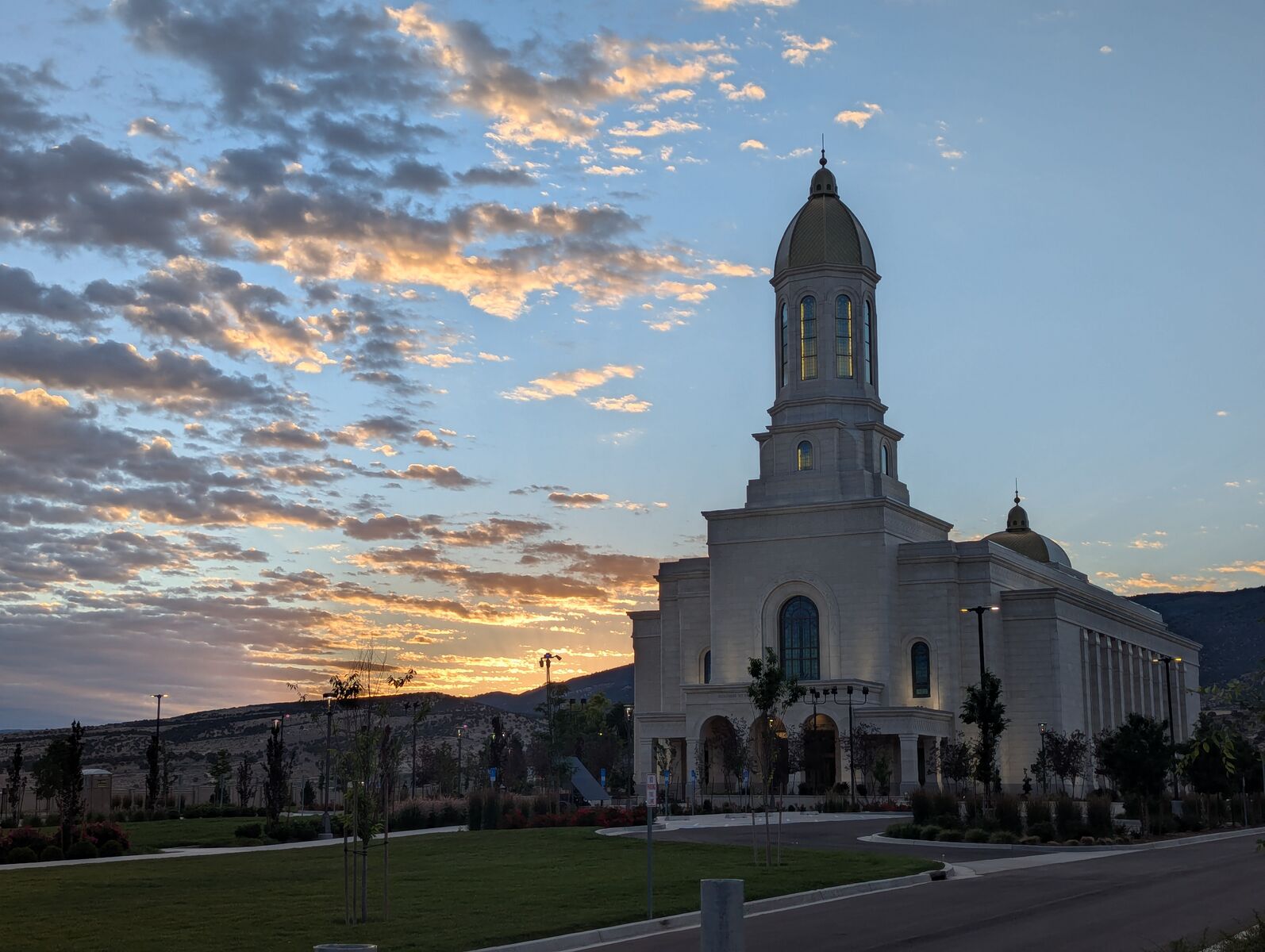
Hales prepared a traffic impact study for the Ephraim Utah Temple, evaluating transportation impacts associated with the new development and its four proposed access points. Because temple traffic patterns differ from those of many typical developments, trip generation was developed using data collected at existing temples in Bountiful, Draper, and Oquirrh Mountain. Hales evaluated traffic operations during weekday evening and Saturday morning peak periods, including intersection level of service and queueing. The analysis determined that surrounding intersections could accommodate anticipated project traffic at acceptable operating conditions without significant mitigation. Hales also evaluated an additional center left-turn lane along 400 East as a potential opportunity to further improve left-turn movements and site access. At a Glance: 4 Site Access Points · 3 Comparable Temples Studied · Traffic Impact Study · Trip Generation Analysis · Level of Service & Queue Analysis · Access Planning


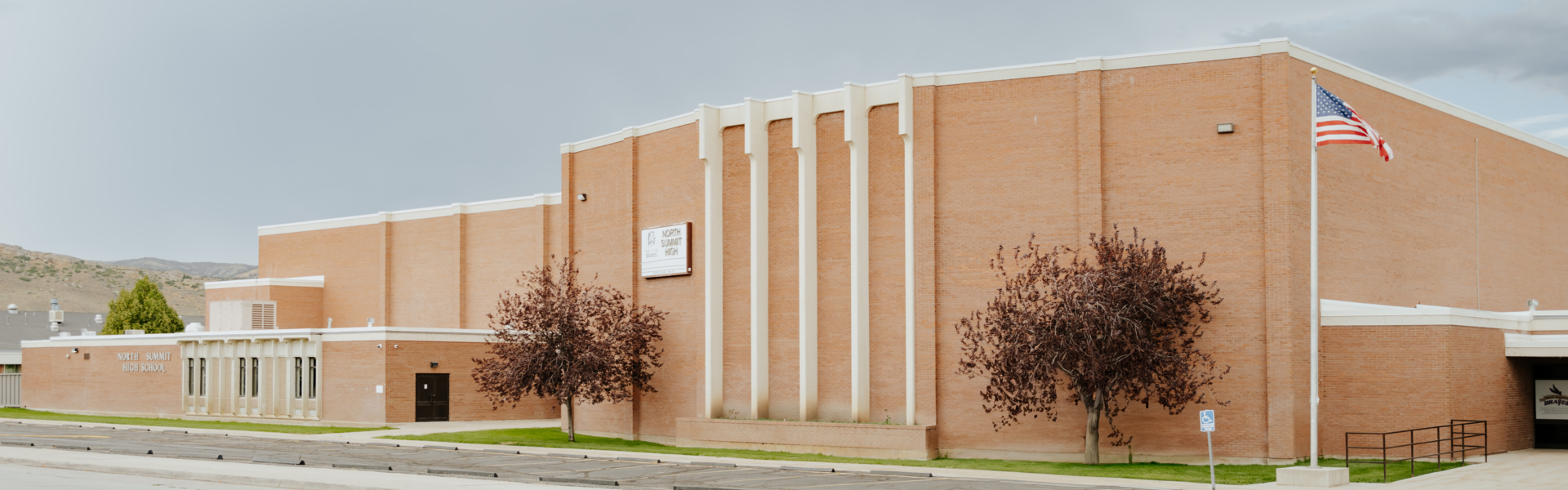
North Summit High School
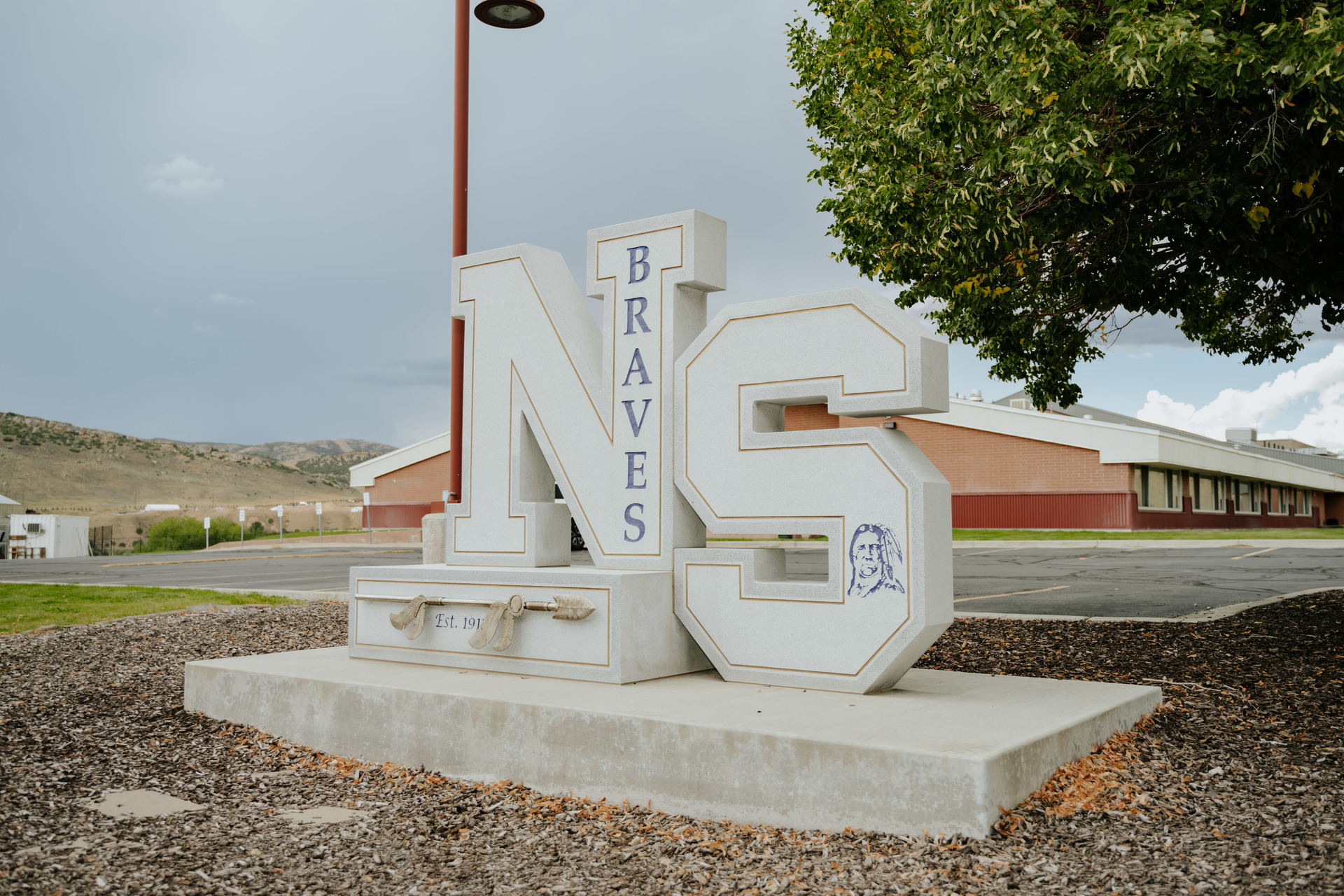
Hales prepared a traffic impact study for the new North Summit High School in Coalville, Utah, planned to serve approximately 650 students. School transportation creates concentrated periods of demand and requires careful coordination of students, buses, staff, pedestrians, and surrounding traffic, making site access and circulation an important part of the analysis. Hales evaluated morning and afternoon traffic conditions, surrounding intersection operations, site access alternatives, queueing, and potential auxiliary lane needs. The study also considered roundabout operations at a nearby intersection and evaluated alternative access scenarios to improve traffic flow and safety. Recommendations addressed pedestrian and trail connectivity as well as site circulation, helping establish a transportation plan that supports safe and efficient campus access during the school's busiest periods. At a Glance: 650 Students · Traffic Impact Study · School Arrival & Dismissal Analysis · Roundabout Operations · Access Alternatives · Pedestrian & Trail Connectivity


Saratoga Springs High School
Hales prepared a traffic impact study for a new high school in Saratoga Springs, evaluating how concentrated school traffic would interact with a rapidly developing roadway network near Mountain View Corridor. The study considered both the immediate transportation needs of the campus and how continued regional growth and planned roadway improvements could affect operations over time. Hales analyzed traffic conditions across multiple surrounding corridors and proposed site access locations, evaluating trip generation and distribution, intersection level of service, queueing, and future traffic control needs. The analysis identified potential operational challenges as the surrounding area develops and provided recommendations for intersection improvements, storage needs, and future signal monitoring. The study helps support safe and efficient school access while accounting for the significant transportation changes anticipated in this growing area. At a Glance: 3 Analysis Years · Traffic Impact Study · Mountain View Corridor · Trip Generation & Distribution · Intersection & Queue Analysis · Future Traffic Control Planning


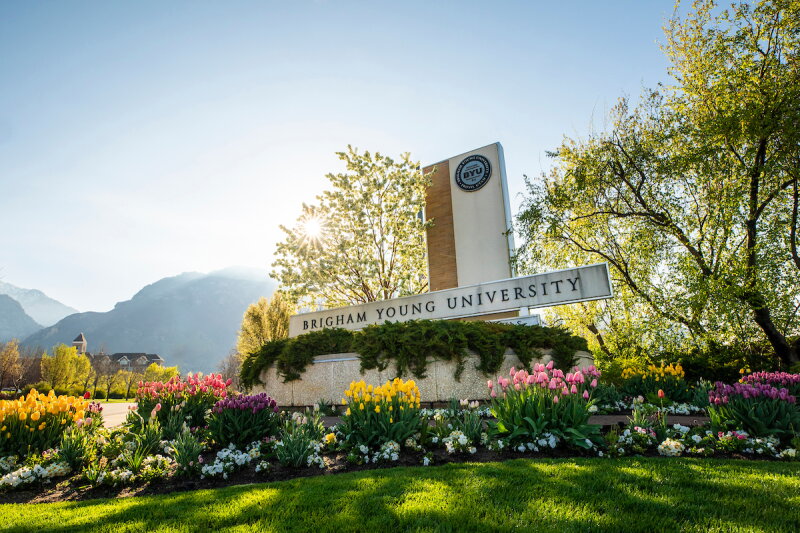
BYU Transportation Demand Management Program
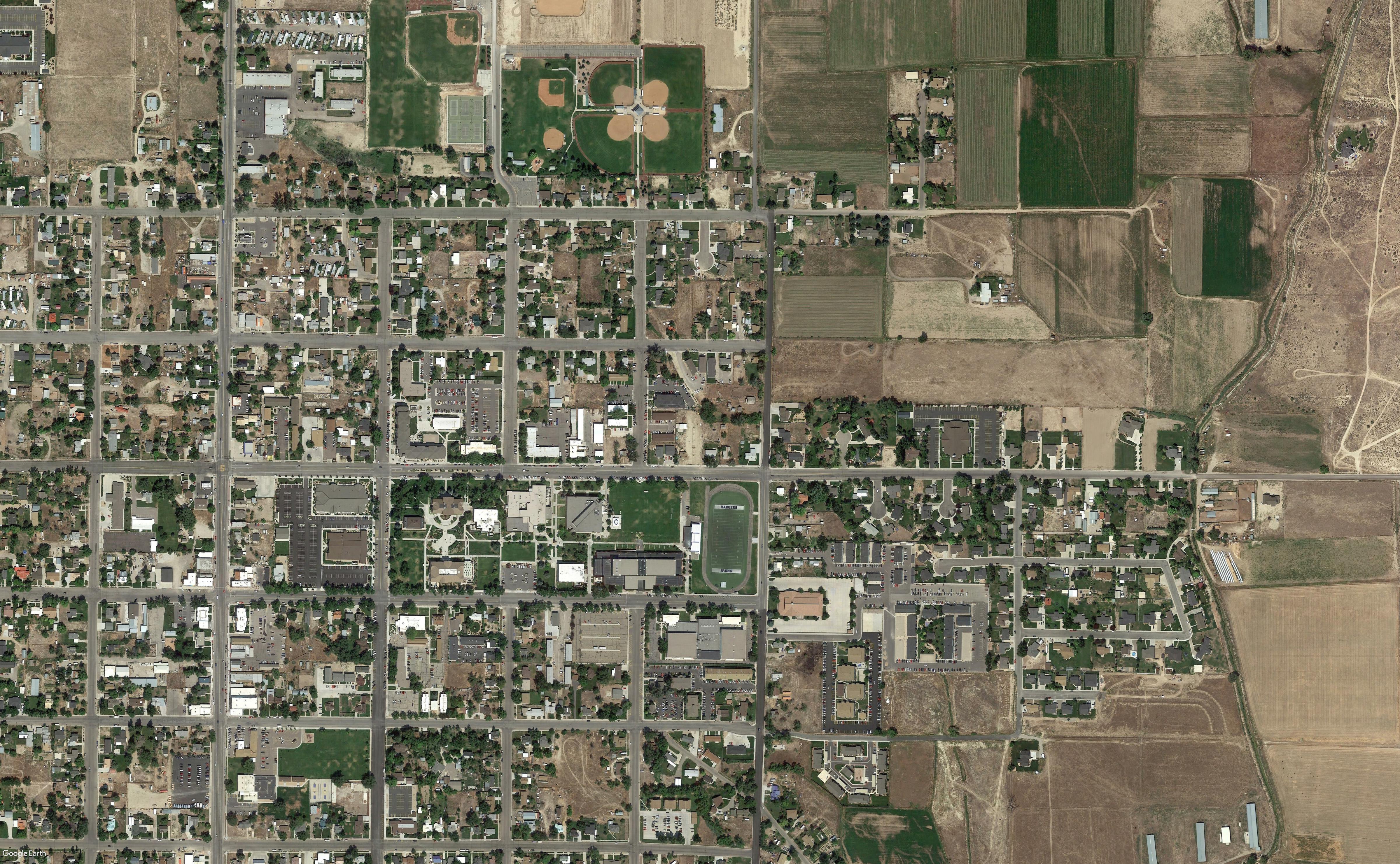
Hales developed a Transportation Demand Management (TDM) Program and Parking Justification Study for Brigham Young University to support long-term campus transportation, development, and parking decisions. The study evaluated how students, faculty, staff, and visitors travel to and around campus, including parking demand, commuting patterns, public transit, shuttle service, pedestrian and bicycle facilities, and other alternatives to driving. Hales documented BYU's extensive multimodal transportation system and analyzed peak parking demand to determine an appropriate parking supply for educational uses. The study also identified opportunities to strengthen transit access, shuttle operations, pedestrian safety, bicycle infrastructure, and other transportation demand management strategies. The resulting program provides a framework for managing parking while supporting alternative transportation choices as the campus continues to evolve. At a Glance: 24,000 Students Living Within 1.25 Miles · 14,402 Education-Related Parking Stalls Evaluated · Transportation Demand Management · Parking Justification Study · Transit & Shuttle Analysis · Active Transportation
.jpg)